
A powerful story of life, medicine, and memories from the...
Read MoreThank You for Joining Our 2nd AI Webinar Session! 🤖🌍
AI Webinar Series
People to People • Bahir Dar University • Anadach Group
People to People • Bahir Dar University • Anadach Group
The Foundations of Artificial Intelligence
Understanding the Infrastructure Behind AI
Understanding the Infrastructure Behind AI
Thank you to everyone who joined the second session of the AI Webinar Series, bringing together experts, educators, technology leaders, researchers, and participants from Ethiopia, Africa, the United States, Europe, and around the world.
The session explored one of the most important questions in the development of artificial intelligence: What infrastructure makes AI possible, and how can Africa build the capacity to participate meaningfully in the AI revolution?
Welcome Message
A Message from Dr. Enawgaw Mehari, M.D.
Good morning, good afternoon, and good evening to everyone joining us from Ethiopia, across Africa, the United States, Europe, and around the world. On behalf of People to People, Bahir Dar University, and Anadach Group, and with the support of ARIFPay and ARTS Media, it is my great pleasure to welcome you to the second session of our AI Webinar Series: “The Foundations of Artificial Intelligence: Understanding the Infrastructure Behind AI.”
Artificial intelligence is one of the most consequential technological transformations of our generation. It is already reshaping healthcare, education, agriculture, finance, media, scientific research, industry, and government.
But AI does not exist in the cloud by magic. Behind every AI application is real infrastructure—hardware, software, connectivity, data centers, power, and big data. These are the Six Pillars that provide the foundation for our discussion.
For Africa, the question is no longer whether AI will affect our future. It will. The more important question is whether Africa will simply become a consumer of AI technologies developed elsewhere, or whether we will build the infrastructure, human capital, data, research capacity, and partnerships necessary to create, adapt, and govern AI for our own needs.
Ethiopia as a Case in Point
Ethiopia has tremendous opportunities—a young population, expanding universities, extraordinary linguistic and cultural diversity, growing technological capacity, and significant renewable-energy potential. At the same time, we face challenges in computing capacity, connectivity, data infrastructure, and human capital.
This raises an important question: How should African universities transform their curricula, research, faculty development, and industry partnerships to prepare students for an AI-driven economy, while balancing access to global cloud platforms with investment in local and regional cloud, data, and computing capacity?
Ultimately, technology must serve people. Can AI help a farmer improve productivity? Can it extend healthcare expertise to underserved communities? Can it improve education and financial inclusion, accelerate scientific discovery, and strengthen public services?
And importantly, how do we develop AI that understands our languages, our data, our cultures, and our priorities?
As we innovate, we must also address privacy, cybersecurity, misinformation, bias, employment, energy consumption, and responsible governance. Innovation and responsibility must move together.
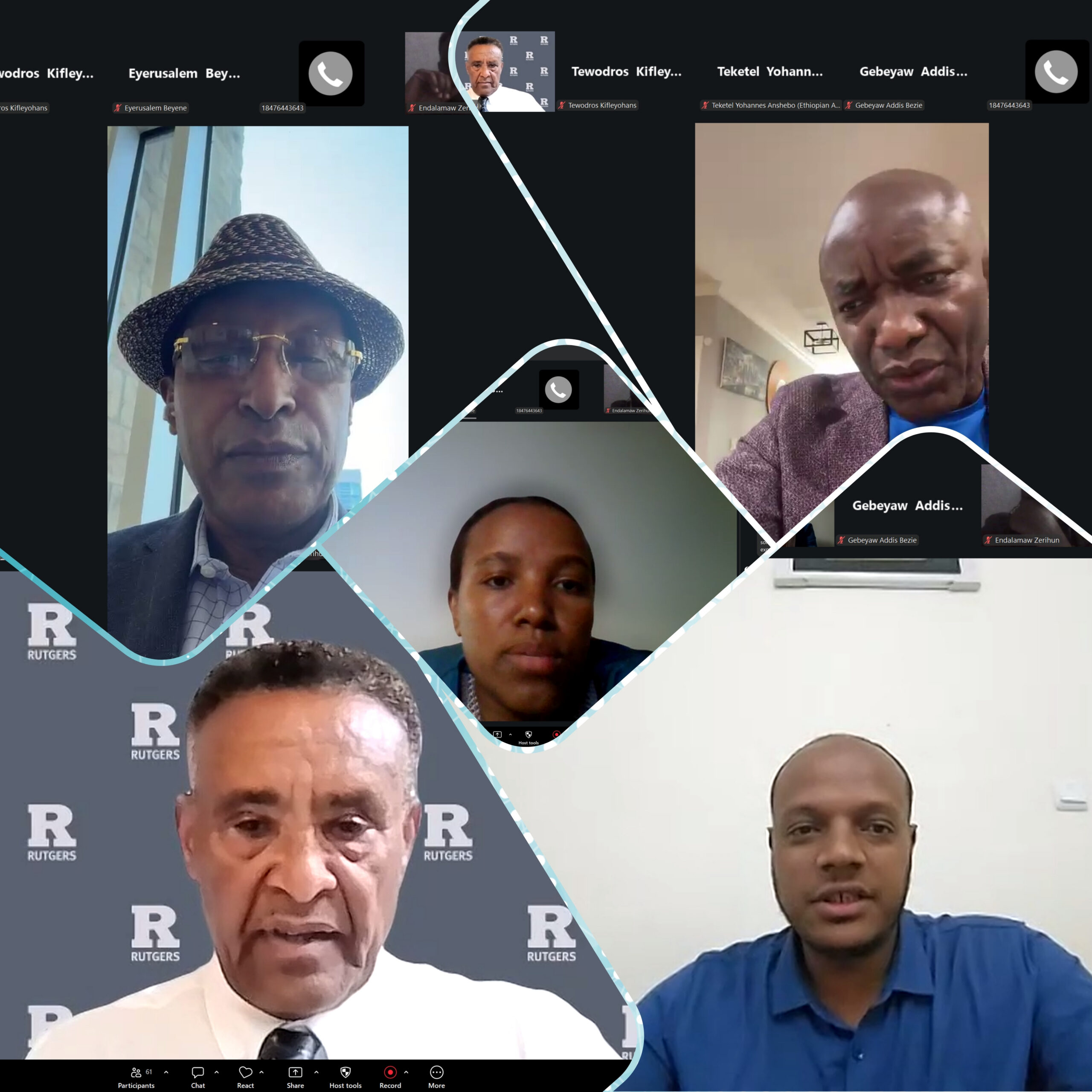
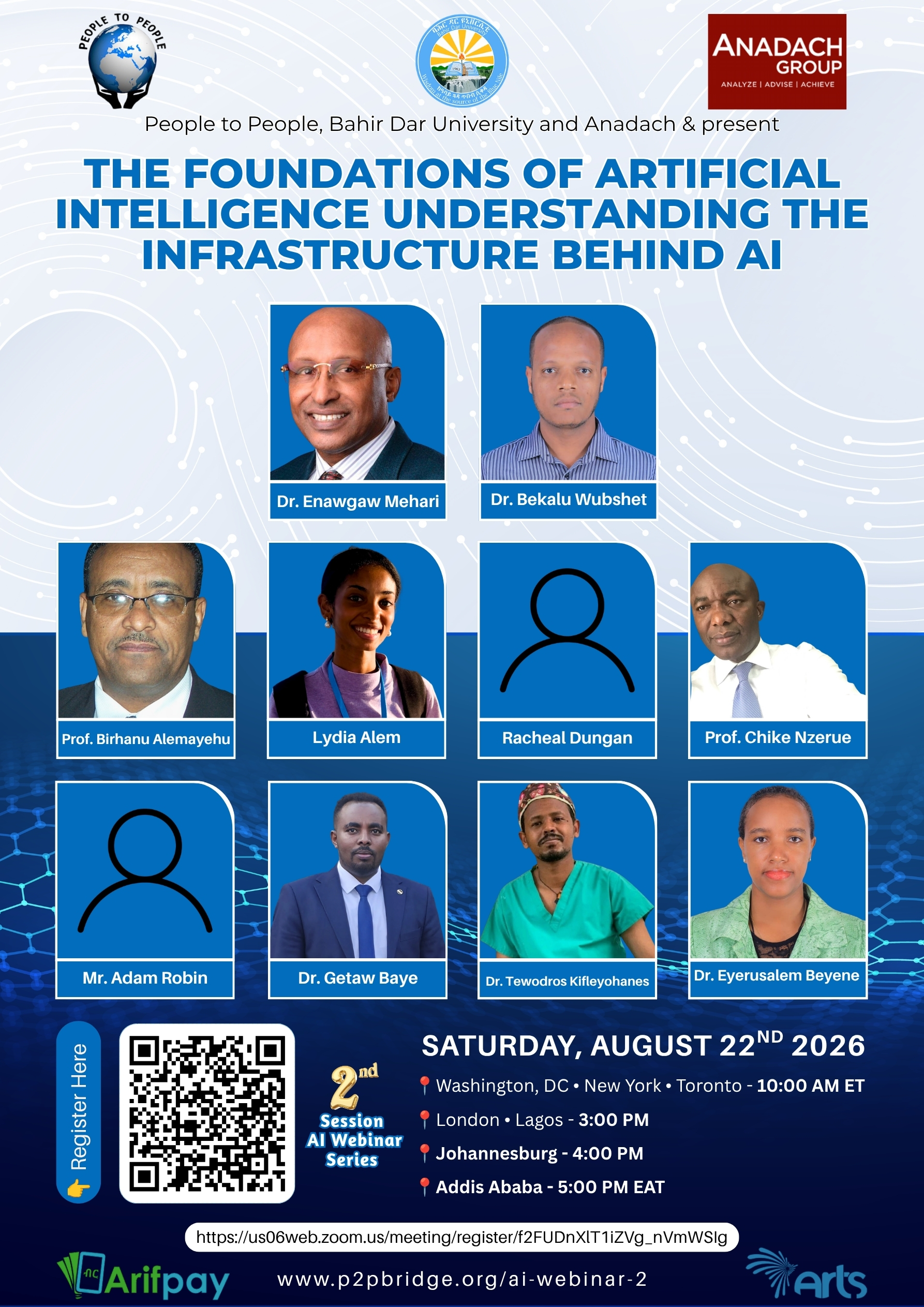
Our Moderator and Distinguished Panelists
We were privileged to have an outstanding group of experts and leaders contributing to this important conversation.
Dr. Berhanu Alemayehu, DrPH — Moderator
Dr. Berhanu Alemayehu is a distinguished health economist, applied statistician, and educator with more than 20 years of experience in health economics, outcomes research, and advanced analytics. He brings extensive experience at the intersection of healthcare, data, and technology, including the design and implementation of electronic medical record systems. He currently chairs the AI Initiative at Bahir Dar University, helping lead efforts to build institutional capacity and advance the practical and responsible application of artificial intelligence. His combination of advanced analytics, healthcare expertise, technology experience, academic leadership, and commitment to Ethiopia made him ideally suited to moderate this discussion.
Professor Chike Nzerue
Professor Chike Nzerue is Chair of the Department of Internal Medicine at Meharry Medical College in Nashville, Tennessee. In addition to his distinguished career in medicine and academic leadership, Professor Nzerue has pursued additional training at Harvard in artificial intelligence, bringing an important perspective to the intersection of medicine, education, leadership, and AI.
Mr. Adam Rubin
Mr. Adam Rubin is Oxford-trained and deeply passionate about artificial intelligence, emerging technologies, and their potential to transform society. He is Co-Founder of Zantango Inc., a U.S.-based technology company, and Co-Developer of Gweha Health, a next-generation digital health platform designed to strengthen national health systems across Africa and the developing world. His combination of technology, entrepreneurship, and digital-health innovation brought an important global and practical perspective to the conversation.
Dr. Getaw Baye and Dr. Tewodros Kifleyohanes
We were also delighted to welcome Dr. Getaw Baye and Dr. Tewodros Kifleyohanes, who contributed valuable expertise and perspectives to this important discussion.
The Six Pillars That Make AI Possible
The session began with presentations focused on the foundational infrastructure required to develop and deploy artificial intelligence. Lydia Alem and Rachel Dungan helped establish the technical foundation for the discussion by exploring the Six Pillars That Make AI Possible. Rachel Dungan is a rising voice in the AI ecosystem, bringing fresh energy, insight, and a forward-looking perspective to this rapidly evolving field. Together, Lydia and Rachel helped participants understand the infrastructure behind AI before the program moved into the broader panel conversation on the opportunities and challenges of implementing AI at scale.
From Ideas to Implementation
Dr. Bekalu Wubshet
We were also pleased to recognize Dr. Bekalu Wubshet, CEO of the College of Medicine and Health Sciences at Bahir Dar University. Dr. Bekalu is an extraordinary and forward-looking leader committed to positioning Bahir Dar University at the forefront of Ethiopia’s emerging AI ecosystem. Under his leadership, Bahir Dar University is moving beyond discussion toward implementation, including the signing of an MoU with ARIFPay to collaborate on the development of an electronic medical record system.
This represents the kind of partnership needed to move from ideas to implementation and measurable impact:
Academia + Technology + Private Sector = Innovation with Impact
Dr. Bekalu concluded the program with closing remarks, key takeaways, and strategic direction for the road ahead.
A Final Thought
Africa should not be a spectator in the AI revolution. We should not simply ask:
“How can Africa catch up?”
We should ask:
“Where can Africa lead—and where can AI enable us to leapfrog traditional barriers to development?”
The decisions we make today about infrastructure, education, data, research, investment, partnerships, and governance will help determine Africa’s place in the AI ecosystem for generations to come. Our goal should not simply be to bring AI to Africa. It should be to help build an African AI ecosystem—developed with Africa, informed by Africa, and capable of creating solutions for Africa and the world.
Thank You for Being Part of the Conversation
We extend our sincere appreciation to all speakers, panelists, moderators, partners, organizers, and participants who contributed to the success of the second session of the AI Webinar Series. Your participation, questions, ideas, and commitment to learning are helping strengthen the conversation around AI, education, healthcare, research, innovation, and Africa’s digital future.
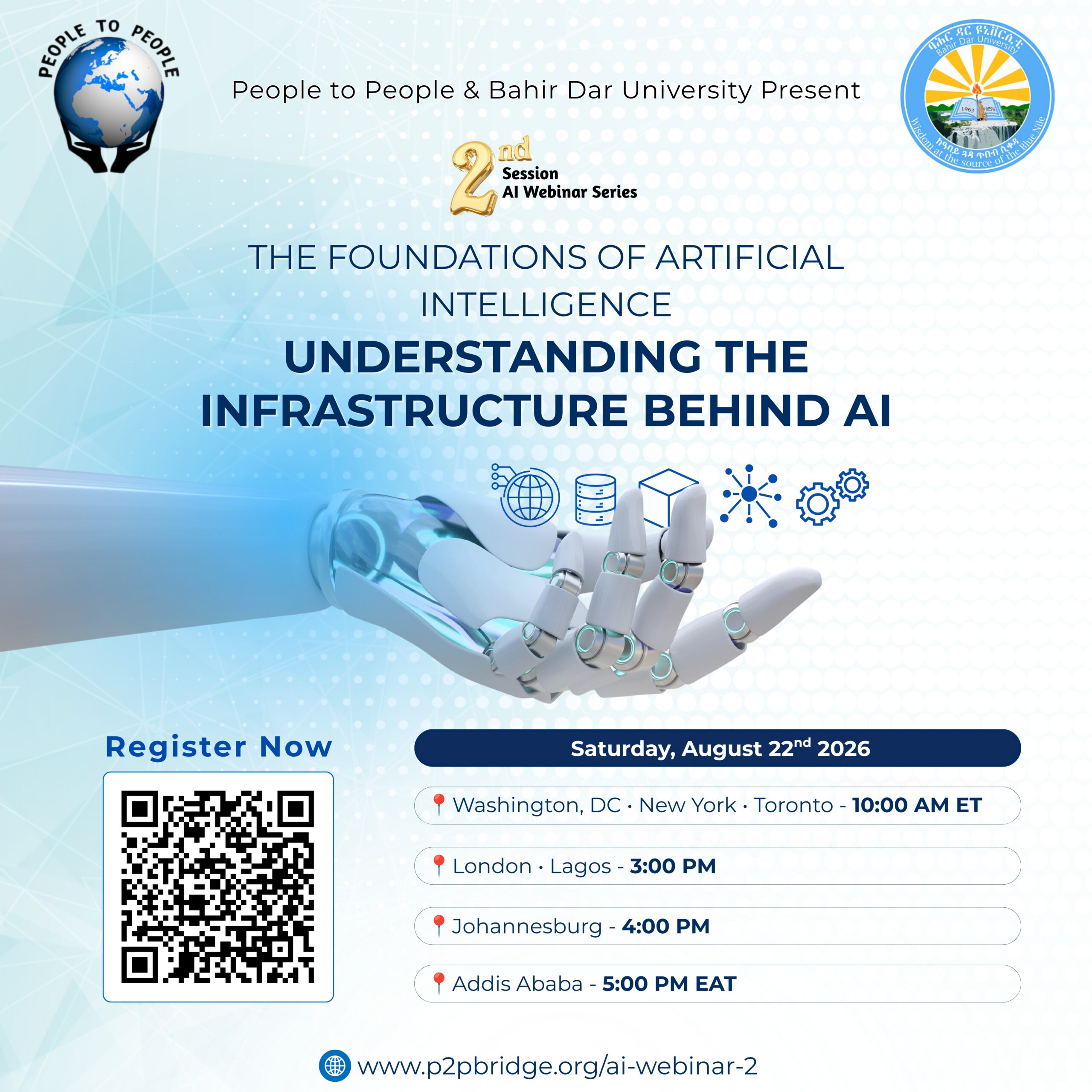
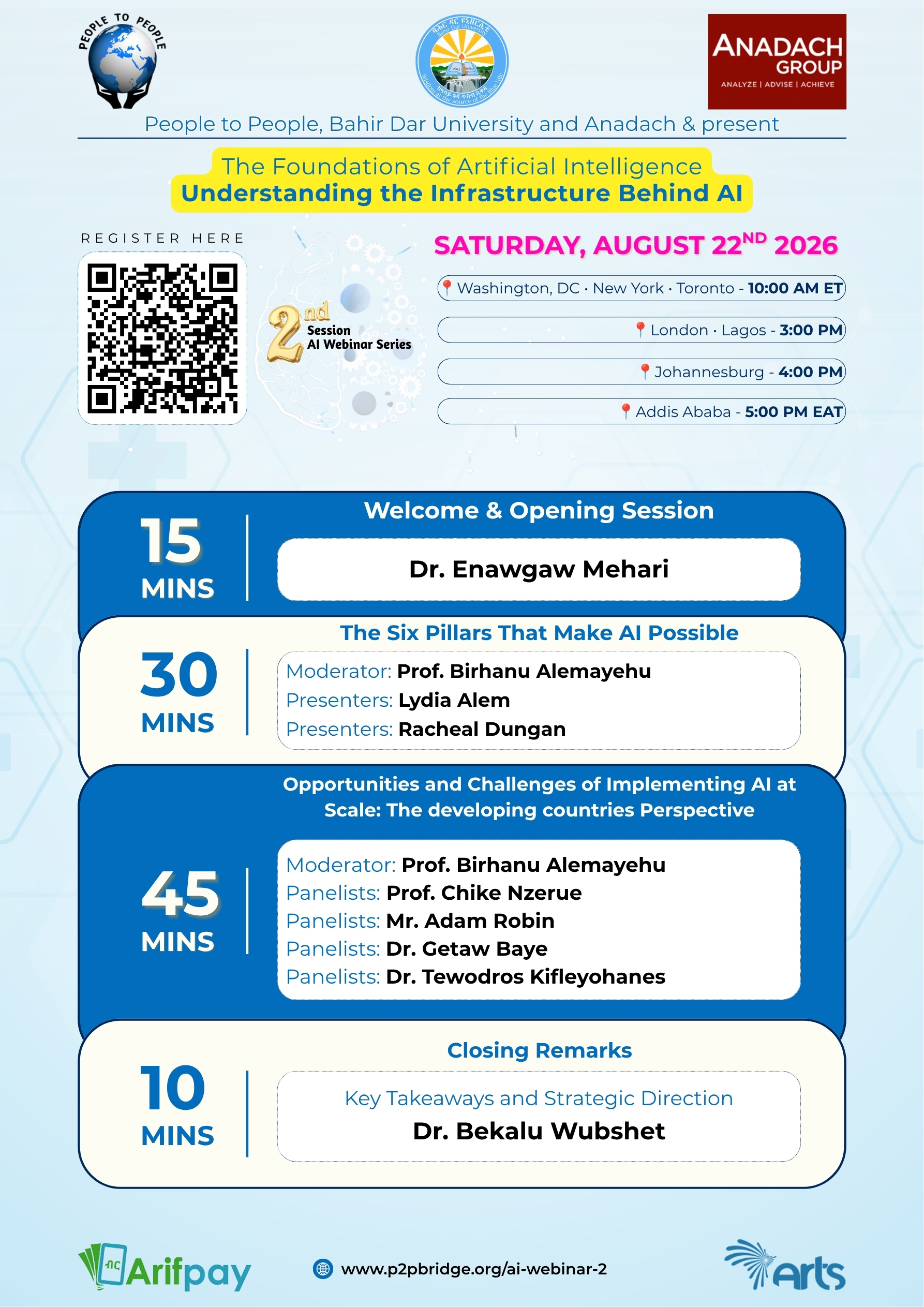
 The Foundations of Artificial Intelligence: Understanding the Infrastructure Behind AI
Join People to People (P2P) and Bahir Dar University for an insightful virtual panel discussion on the technologies powering modern AI and their impact on education, healthcare, research, and innovation.
 Saturday, August 22, 2026
 10:00 AM Eastern Time (US & Canada)
5:00 PM Addis Ababa Time (EAT)
 Register now:
https://us06web.zoom.us/meeting/register/f2FUDnXlT1iZVg_nVmWSIg
Save the date—we look forward to seeing you online!
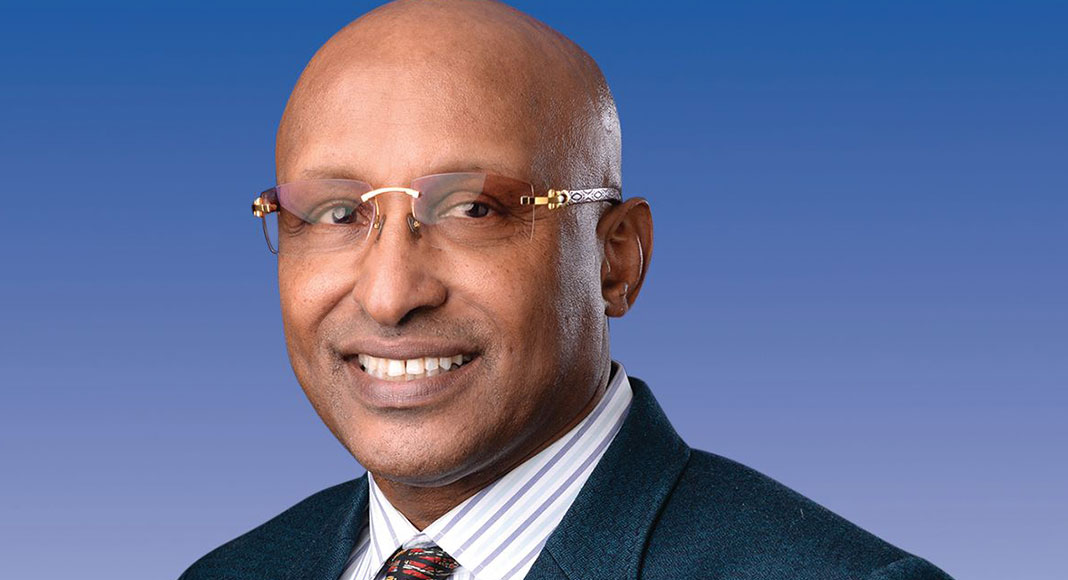
Enawgaw Mehari, MD
President/Founder of People to People
Dr. Enawgaw Mehari has a distinguished reputation for leadership in healthcare, most notably as founder and president of People to People, Inc., which has been in existence for approximately twenty-five years. He is also internationally recognized as an expert in neurology, pain management, and Neuro-AIDS. He earned his medical degree from Comenius University in Czechoslovakia, completed his neurology residency at the University of Kentucky, finished his fellowship in pain management and neurophysiology at Case Western University in Cleveland, and completed a fellowship at Washington University in St. Louis, in Neuro-AIDS. Dr. Mehari has published in refereed journals, book chapters, Triangular Partnership the power of the diaspora (book), Introduction to Clinical Neurology and Manual of Ethiopian Medical History. Dr. Mehari through his p2p leadership has been instrumental in the establishment of Neurology residency program, Emergency Medicine Residency program at Black Lion Hospital, and Social Work Master /PhD program at AAU. In 2005, He founded the People's Free Clinic in Morehead, Kentucky, to provide free healthcare for the working poor. In 2006, Dr. Mehari won a distinguished service award from the Society of Ethiopians Established in the Diaspora (SEED), and in 2007, he was nominated as a CNN Hero— awarded by the cable network to everyday people around the globe who have made a major impact in the world. In addition, he was awarded a Humanitarian Award by the Black Hall of Fame, and the 2010 Patient Advocate award by the American Academy of Neurology. He has been granted the highest commendation by the Kentucky Governor’s office, Senate of the State of the Commonwealth of Kentucky. He has been commended by the US House of Congress and was awarded the Abebe Bikila Award by Bikila Organization for his working community service. Dr. Mehari is a diplomat of the American Board of Psychiatry, a diplomate of Neurology, Inc., and a member of the American Board of Medical Specialties. He is an adjunct Clinical Professor of Neurology at Meharry School of Medicine, PikeVille University, Bonga University ,AAU and Bahir Dar University. His other engagements include board director for both ARTS TV and Arif Pay Financial Institute.
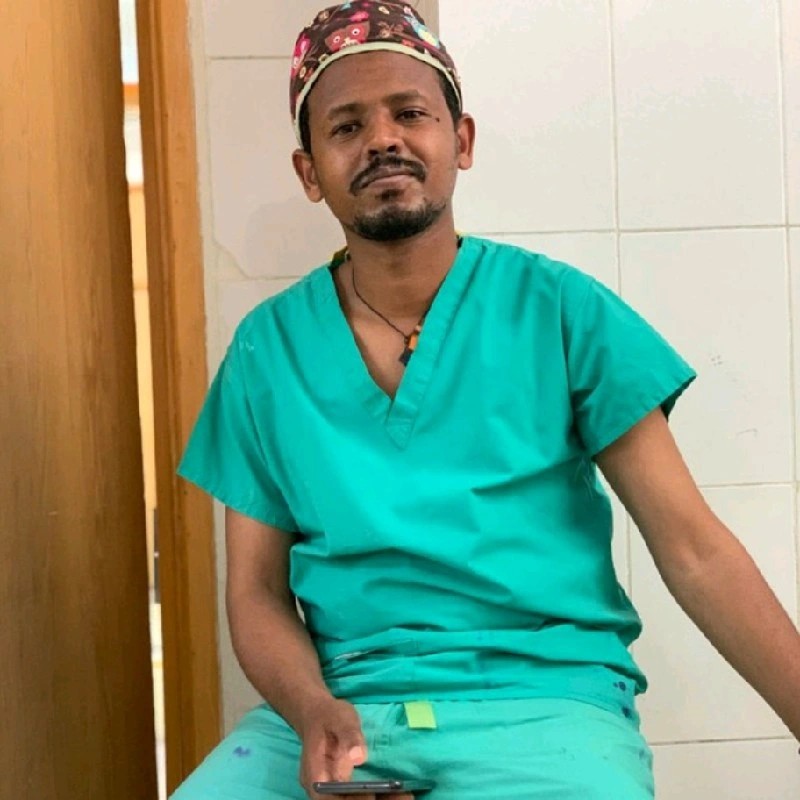
Dr. Tewodros Kifleyohanes
CED, Debrebirhan University
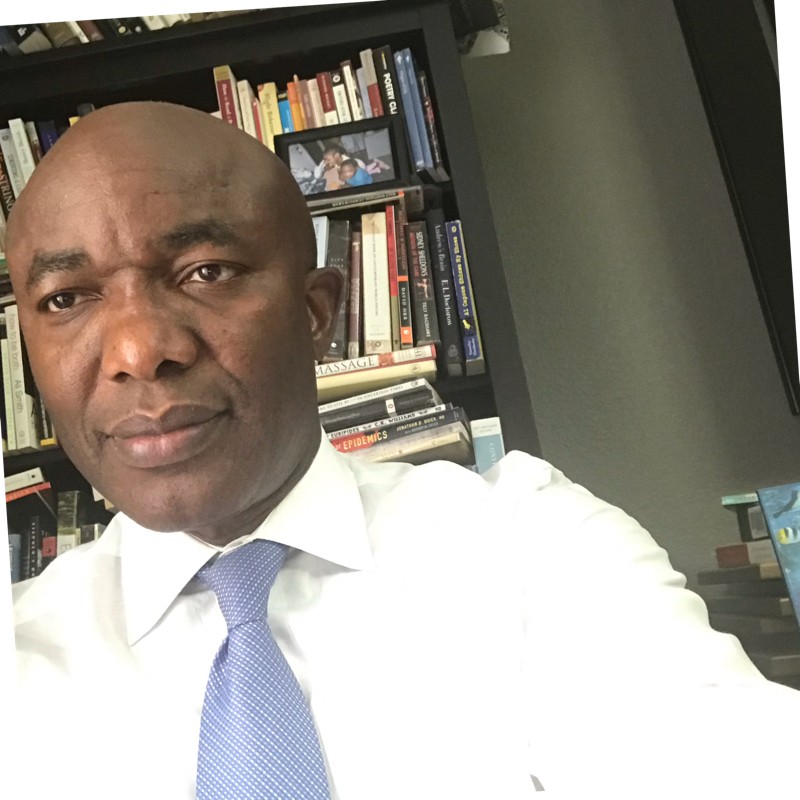
Prof. Chike Nzerue
Chairman , internal medicine , Meharry Medical school
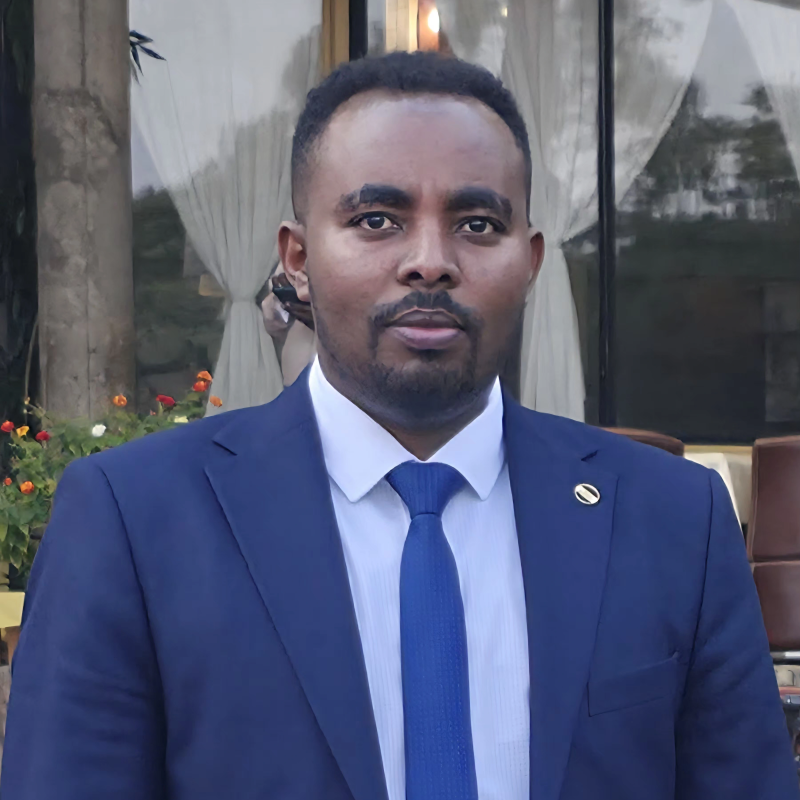
Dr. Getaw Baye
CED, University of Gondar
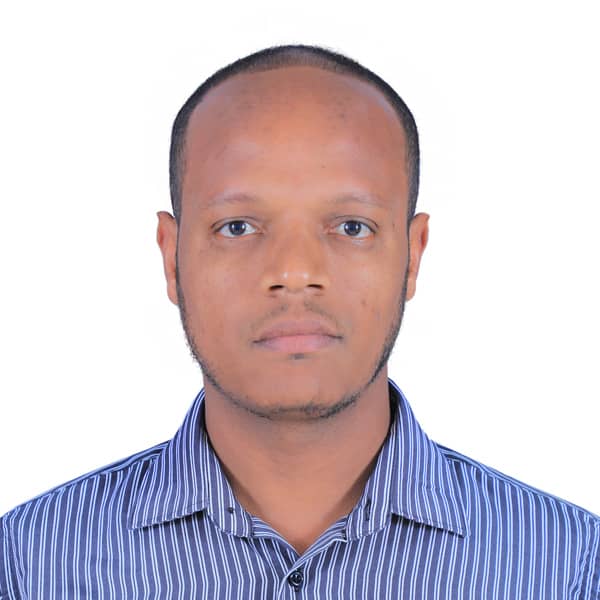
Dr. Bekalu Wubshet
(Chief Executive Director/Vice President, CMHS, BDU)
MD, FCS (Ped-Orth, ECSA), Assistant Professor of Orthopedic Surgery, and Consultant Pediatric Orthopedic Surgeon certified by the College of Surgeons of East, Central, and South Africa. An experienced clinician and health system leader, skilled communicator, and dedicated team player, capable of leading and collaborating effectively.

Mr. Adam Robin
Co-Founder of Zantango Inc., a U.S.-based technology company, and Co-Developer of Gweha Health
Adam Rubin is Co-Founder of Zantango Inc., a U.S.-based technology company, and Co-Developer of Gweha Health, a next-generation digital health platform designed to strengthen national health systems across Africa and the developing world. He has spent the past year working with Ministries of Health, HISP, Africa CDC, and international digital health partners to advance interoperable, country-owned healthcare infrastructure built around DHIS2, FHIR, AI-enabled clinical workflows, and low-bandwidth technologies. Prior to founding Zantango and Gweha Health, Adam built a career leading technology and media ventures, combining expertise in product strategy, business development, and international partnerships. He holds an MBA from the University of Oxford and an MFA in Film Production from the University of Southern California, where he received the Jack Nicholson Award for Directing. He was born in South Africa and grew up in the US.
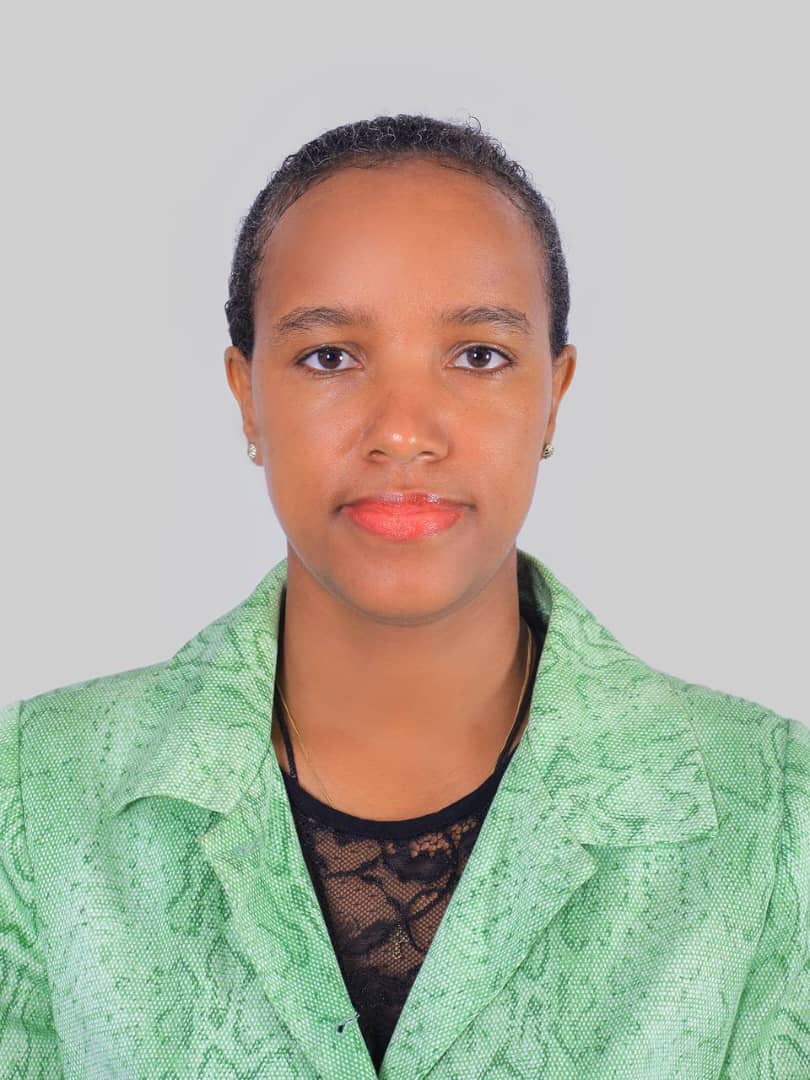
Dr. Eyerusalem Beyene
Director, Medical education and services, Arba Minch University
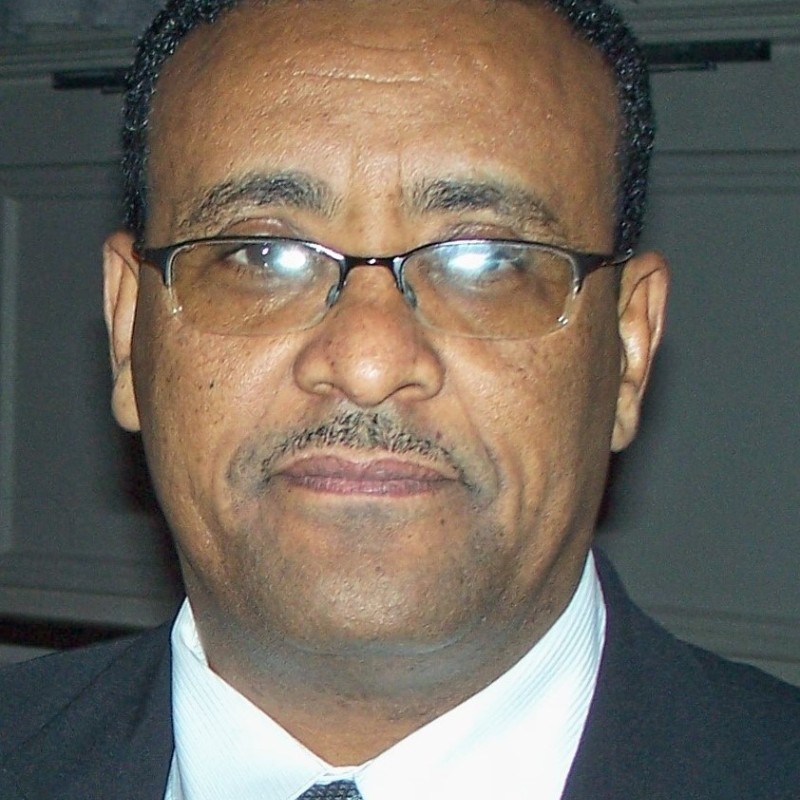
Prof. Birhanu Alemayehu
Rutgers Business School–Newark and New Brunswick
Dr. Berhanu Alemayehu, DrPH is a health economist, applied statistician, and educator with over 20 years of experience in health economics, outcomes research, and advanced analytics. He currently serves as Assistant Professor of Professional Practice at Rutgers Business School, teaching Business Statistics and Enterprise Architecture. He has also taught statistics at Rutgers University, Baruch College (CUNY), Lansing Community College, and the University of Texas.Dr. Alemayehu earned his doctorate in Health Economics and Health Policy from the University of Michigan and holds an MS in Mathematical Statistics from the University of Texas. In addition to his academic career, he has held senior leadership roles at Merck, AstraZeneca, Novo Nordisk, and Medco Health Solutions, leading teams and conducting clinical and real-world data analyses across multiple therapeutic areas.His research has had national impact, including work cited in the 2012 U.S. Supreme Court Affordable Care Act decision. He combines rigorous analytical expertise with practical industry leadership to inform healthcare policy and decision-making.

Rachel Dungan
MSSP
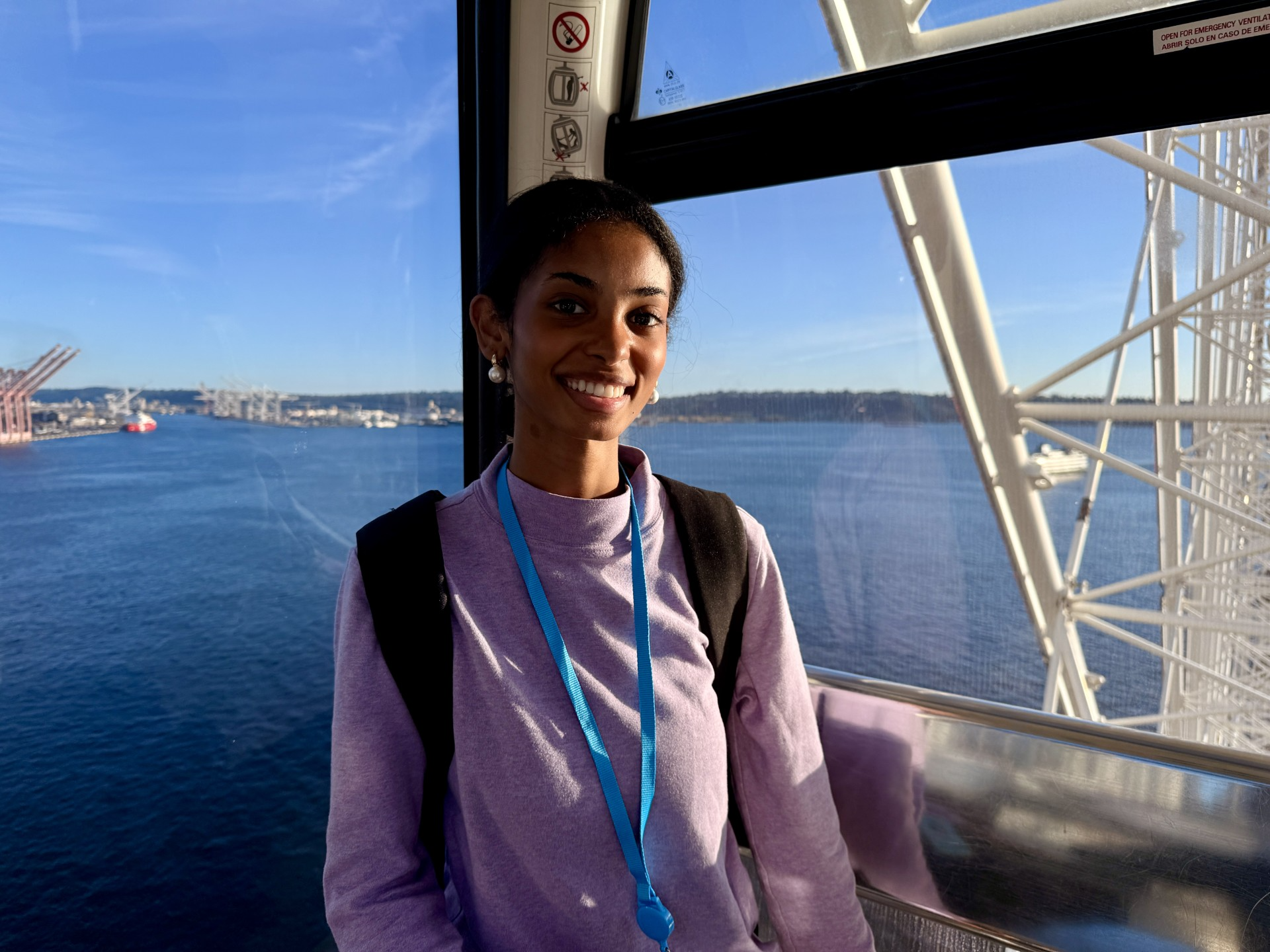
Lydia Alem
Software Development Engineer & AI Advocate
Lydia Alem is a Software Development Engineer I at Amazon on the Global Transportation team. She joined Amazon full-time in February 2026 after completing software engineering internships with Amazon in 2024 and 2025. She graduated in December 2025 with degrees in Mathematics and Computer Science. She is also currently working with Dr. Berhanu to help bring AI learning opportunities to Bahir Dar University. She is passionate about technology, AI, and creating opportunities for students to build skills and pursue careers in tech.
